Lessons from a Spicebush Butterfly

Spring has been showing off this year, authentically owning herself in all her glory. Enough warm days to coax me outside, enough cool days to curtail a full-on summer. A slow and appropriate transition from my hibernation and an ally for my body’s reset. Rather than a Boomer or Gen X, I categorize myself as a Perennial. No matter how hard the winter, it’s time for me to come back to life.

For several months, I’ve been recovering from minor issues that caused major disruptions to my daily digestive functioning. Between brain fog and fatigue, I’ve struggled to complete tasks. Everywhere I look—inside and outside the house—is a job that needs to be done…or is half-done and waiting to be completed. Finally, I feel enough energy and gumption to tackle a real project.

I check my growing list. I am torn between painting the other half of my office and cleaning out more raised beds, both are works in progress. Seventy degrees and sunny with a slight breeze tips the scales toward gardening. On my way to retrieve the tiller, I pass a birdhouse that fell off its post this winter during a heavy snow storm. I make a mental note to add it to my list. I’ve watched bluebirds come and go from this three-compartment complex every spring since I moved in (2012) but now it lies upside down beneath the carport. I’ve been planning its repair since January. I chastise myself for not having the condos move-in ready before spring.

As the day progresses, I successfully transition 4 raised beds from hard-packed weed infested patches to powdery rich soil ready for planting. It feels good to play in dirt and actually energizes me a bit. From another bed, I rescue strawberries from an overgrowth of mint that was never meant to happen. Luckily, strawberries leaf out earlier than mint with roots close to the surface. If it weren’t for the aggressive spreading, mint would make a good companion for strawberries because it helps to repel insects. But once the spearmint emerges, it grows tall and I can’t find the strawberries. This mint has taken over two beds and is threatening the whole garden.

In spite of my frustration with the invader, I hate killing healthy plants. Spearmint is beautiful, aromatic, medicinal and tasty which is why I let it get a stronghold before doing something about it. I love it in iced tea but never again will I plant it in the ground…anywhere. Rookie mistake. This sweet green interloper wasn’t even planted in my garden, on purpose. It was a sleeper cell lying dormant in some rich black topsoil I absentmindedly borrowed from my flower beds against the house.

Mint is almost impossible to kill, especially without commercial poisons. The roots are thick, insidious cords that snake beneath ground surface and create a mat that smothers out all other plants. Before my eradication efforts, which will include digging, removing, and smothering with salt, vinegar and dish detergent, I transplant some pieces into a big pot. Hopefully I can contain it this time. I fill three black garbage bags—33 gallons each—with knotted roots. This year, these beds will sleep beneath a man-made cocoon of thick black plastic, fed with vinegar and salt.

By late afternoon, I find myself energetically surprised and feeling pretty good about my accomplishments.  I decide to tackle the birdhouse. Living on land handed down through generations means I am always following the footsteps of my ancestors (and sometimes feel them following me). My father made this tri-plex aluminum condo on a base of plywood. After thirty plus years, the underneath side rotted despite the fact that he wrapped the topside in metal. When he built the house, he placed it on a metal rod in the front yard and planted a small lilac bush at its base. I found an old picture of his proud new installation. Now, the lilac has grown to heights above the house and the birds fly in and out of the middle of the bush. We sometimes trim the bush back but I imagine the birds like the clandestine approach. My job is to chip out the old plywood so Gregg, my companion, can replace it. I move the box to a sidewalk so I can easily sweep up the mess. It looks like broken pieces of shredded wheat.

I look around for a container in which to carry the pieces to our backyard fire pit. As many Amazon deliveries as we get, there is usually a cardboard box lying around somewhere but not today. Under the carport is a recycling bin, practically empty. I lift out two random items and find a butterfly lying open winged at the bottom. I presume it’s dead.

I stare at it, admiring the colors, wondering how it came to die at the bottom of the recycling bin. It moves. “Oh, are you stuck?” I asked. I reach down and lift it out of the bin. It does not try to flutter away from me. A portion of its right forewing has been chewed off, along with a third of its right antennae. “I know how you feel,” I say. “I’ve been feeling a little chewed up myself.” Yes, I talk out loud to creatures great and small, visible and invisible.  I decide the butterfly has probably sought refuge from one of the relentless mockingbirds. Could she not muster the strength for a 2 feet vertical lift?  Is it chance that I found her? Or divine intervention?  I had no idea I would actually get to the birdhouse today after months of seeing it in disrepair. I have never emptied or looked inside the recycling bin as long as it’s been here. That has always been Gregg’s job, but had he emptied it he was not likely to pay attention to a butterfly.

I hold her in the open palm of my hand. She turns to face me, an acknowledgment of our connection. I am always grateful for close encounters with nature and for the random nudges that push me toward them. It lifts my spirit to witness miracles, especially when I can be a part of someone else’s.

My new companion is in no rush to leave my hand. I still don’t know if she can fly or if this is indeed the end for her. I plan to lower her to the ground beneath blades of tiger lilies for a more restful refuge, but first I want to study her. It looks as if someone has taken a tiny spray can of iridescent blue glitter paint and arched a half-moon line across the top of her tail wings. Falling glitter sprinkled like stardust across her remaining black canvas. On her underneath side the artist was simply showing off with splashes of orange dots lining her wings. I gently lower her beneath the canopy, thinking at the very least she can capture an insect for her last supper. Before touching her feet to the earth, she turns one more time to face me, then promptly takes flight and lands in a tree thirty feet away. Such tenacity! Even with a half-chewed wing, she flies! Immediately I feel it. This! This is the message I needed to receive today. The push to come back to life after a backset. Today, I have something in common with a spicebush butterfly, she lifts my spirit and reminds me how to push forward. We are each other’s miracle and I am grateful.

Once, in a philosophic moment, a dear friend posited that maybe the best we can hope for in our otherwise mundane existence is to experience intermittent “gasps of joy” to propel us forward. We need only be alert and grateful when a “gasp of joy” arrives. Helping this butterfly out of the recycling bin brought me joy. Having her sit in my hand, seemingly unafraid, brought me joy. Realizing that our encounter was perfectly timed for each of us brought wonder and awe. It was a late afternoon last minute decision to work on the birdhouse. I could have used a regular trash can for the debris, or a box, or simply swept up the pieces and carried them to the back yard fire pit but I chose the recycling bin where it just so happened an injured butterfly was stranded. Random or guided? I think maybe our lives can be measured by the string of joyful experiences we hold in our hearts. I choose to believe my spirit team is vast and enjoys this playfulness as much as I do.  
Alchemy

Alchemy: a power or process that changes or transforms something in a mysterious or impressive way.

I went to dinner in Lexington with some women. Friends, and friends of friends. Three of them had birthdays in the same month so not only was there reason to celebrate, after dinner we were attending a reading by another friend who was celebrating the release of her latest book. A night out for the ladies.

Since we had gathered primarily for the literary arts, the dinner conversation began with literature. Who recently read what, which books are must reads, what we’re currently writing, and morphed into general story telling since most of us were writers of one form or another. One person’s story reminds someone else of a similar story, reminds another, and so it goes. In this instance, we traveled the world going from Chicago to Milan to New York and all the way back to Kentucky, where we all currently live. One theme that emerged was housing. From tiny squeeze-ins to expansive high-rise sublets to starter homes, the ladies spoke of lucky breaks, exigent circumstances and turning bad situations into good. I saw a theme emerging.

“Alchemy,” I said.

“What’s alchemy?” my friend asked. I explained poorly that it was a term referring to the medieval attempt to turn base metals into gold. But that today it also meant just what she had been saying, how she’d turned a bad situation into a good one.”

Then, “Martha’s” Kentucky story of purchasing a farmhouse without prior knowledge of the den of snakes who had taken up residence beneath the front stoop drew gasps from everyone.

            “I’d have to back out of the sale,” one said.

            “Or put it right back on the market,” another chimed in. “You didn’t stay there, did you? Is that where you live now?”

The fear of snakes always sparks eeks and cringes followed by other close encounter stories. I’d venture to guess we all have snake stories. These ladies all did. The fear of the serpent is likely the most common phobia. We love to hate these creatures.  

I, too, am no fan and prefer not to get personal with a snake.  I thought about reminding us all that snake symbolism was originally that of the divine feminine and that maybe we had been conditioned to fear snakes based on the patriarchal need to control the innate power of women. According to Ted Andrews’ book Animal Speak, seeing a snake denotes resurrection, renewal, rebirth (shedding of one’s skin to become anew). In dreams, simply encountering the snake is thought to be the subconscious awareness of a pending new cycle of life. Being overly afraid of the snake symbolizes fear of the changes necessary for internal growth. Getting bit might symbolize the level of resistance or blocks you’re throwing into your own path. I’ve had plenty of these dreams throughout my spiritual awakening journey as well as in person sightings. An explanation like this might be interesting, but it rarely does much to allay a well-honed fear of snakes. Thinking of the power of transformation, I juxtaposed one of my own snake stories instead.  

I am the third generation of my family to inhabit the family farm, in a house that was built in 1901. Dad refurbished the house, mid-seventies. Insulation, Drywall, paneling, popcorn painted ceilings and area rugs turned the place around, even before electricity or plumbing was added. Instead, fireplaces, a Warm Morning stove, outdoor toilet and a rain barrel became our every summer adventure, heading back to a small abode with a thermostat and a real bathtub during the school year. We merrily frolicked at the river’s edge, raised cattle, pigs and chickens, the occasional mule, helped Dad with tobacco, hay, planting and harvesting vegetables, hunted arrowheads, shot BBguns, picked blackberries and maintained a healthy awareness of snakes like we lived in the 19th century. In his head, my father sort of did. I was having the time of my life. Today, I am grateful for this character-building years-long sojourn into the past. My parents installed plumbing and a few other upgrades and moved into the farmhouse after all of us children were grown, around 1991. 

In 2012, due to Mom’s cancer and other circumstances, my father bought a house closer to town and nearer to doctors and the hospital. The farm is isolated with sometimes inaccessible country roads. Since I was freshly divorced, he convinced me to take up residency on the farm so that the empty house would not get vandalized or become a drug den.

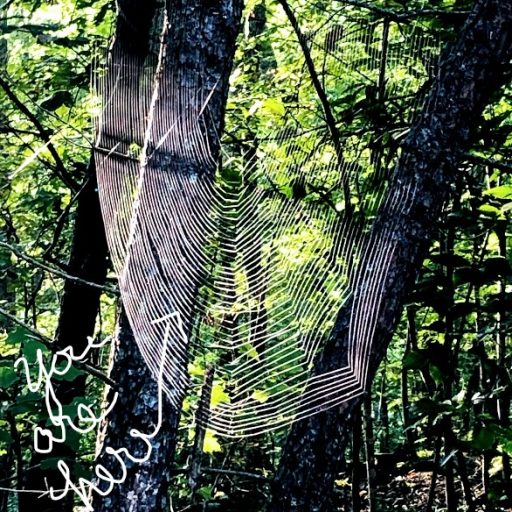
In the seventies, Dad didn’t believe in the future of electricity or otherwise could not envision the number of useless appliances the next generation would find not only convenient but necessary. He felt ahead of his time including two whole outlets per room. Re-learning how to live in an old house whose electricity has not been modernized to meet today’s standards and whose prior inhabitants had learned how to “make things work” without actually having them repaired, included several “combinations” of actions I needed to learn to keep the house running smoothly. Namely, deciphering the tangled web of which outlets in how many rooms, both upstairs and down, whose wiring led to the same 15-amp fuse. I should have bought stock in Buse fuses for the number of boxes I purchased and went through in those early months, grateful they still existed.

Another thing he made sure to tell me was about the relationship he had formed with a huge black rat snake that lived in the shed out back. As I’ve indicated, snakes aren’t even my favorite subject, but out of reverence to my father, I listened to his tutorial.

            “You know I store feed in that building, for the cattle. Mice get in it and make a big mess. That big snake keeps the mice and rat population down so I like him being in there. He’s not poisonous and he never bothers me. When I go into the shed to retrieve the lawn mower I talk to him, warn him I’m coming in. He may be hanging from a rafter or laying on the ground someplace. I pull the riding mower out and start it up. When he hears the engine, he comes out and makes his way down toward the pond. I guess he’s getting a drink. I don’t see him again until after I’ve finished cutting grass. Later in the evening, when it’s quiet, I can sometimes see him returning to the building. We’ve been doing this for years. We made a deal.”

            “Okay,” I tell him, “I can live with that.” Even though secretly I thought, okay then, I’m not going in that shed, which turned out to be impossible. So, I did indeed follow in my father’s footsteps and tried my hand at snake whispering, which might or might not sound more like clanging and banging and yelling warnings rather than actual whispers. I named the snake, Earl.

Dad cut more grass than the immediate area around the house. He had cleared and tamed almost an acre of land, to keep the snakes at bay, he’d said, even though he made exception for Earl. He thought it wise to claim territory separate from the wilder fields and fence rows that bordered the woodland’s edge to provide a clear view of encroaching wildlife. He advised me to do the same. But since he took his riding mower with him to the new house and I still only had a push mower, I hired a neighbor to keep my lawn tidy. I told him the snake story and asked if he could please respect my father’s wishes and look out for Earl. “It’s been there for years,” I tell him. “It doesn’t want to harm anyone.”

Vernon was on the lookout for Earl, no doubt. His first encounter with Dad’s rat snake shocked them both. He entered the shed looking for a weed eater. The lanky sentry hung from a rafter at eye level as he entered, probably wondering who the hell this guy thinks he is entering Herbert Crow’s field mouse buffet. After that, unbeknownst to me, Vernon began strapping on a sidearm before arriving to mow the grass.

After a month or two of cutting the grass with no further incidents I thought all was well. However, one day, Vernon gave in to his own fears and ignored my sentiment about the friendly cohabitant of my abode. He knocked on my door, and using a hoe to extend his reach and not actually touch the old guy, held out his conquered prey to me the way my dogs string out a dead rabbit on my doorstep…as a gift.

            “That’s Earl,” I say, confused.

            “Don’t worry, I got him,” Vernon said. “I hate me a snake. That’s why I carry this.” He proudly pointed to his waist band where he’d holstered the offending weapon. The story he told was just as my father had described, the snake heard the mower and came out of the building to head down to the pond, minding his own business. Only Vernon didn’t care where he was going. Seeing the snake, he chased it down with his lawn tractor, close enough to get a good shot with his pistol because he sure as hell wasn’t going to get off that mower and possibly get bit. He also wasn’t going to let it out of his sight for fear of where it might go…and…he didn’t want to miss. Poor Earl had made it all the way to the fence row, about to cross the threshold to safety before he felt the blow. Vernon was proud.

My father had warned me about the snake we’d named Earl. But we both failed to warn Earl about the viper named Vernon.

            “Oh, that’s so sad,” said the lady who would have instantly sold Martha’s den-of-snakes’ house.

“I can’t believe he did that!” said another. “Did you let him keep mowing your lawn after that?”

“Do you hear how you have all changed your attitudes from loathing to compassion and concern for a snake?” I ask, “Now, that’s alchemy.”         

Virtual Nonny

To say 2020 was a challenging year would be an understatement! Many of us were separated from our loved ones across the miles or even across the backyard. Unable to visit in person or give much needed hugs, we adapted to maintaining relationships through a telephone or on a screen. It was disheartening and painful to watch the unmasked continue to act as if there was no pandemic while people were dying in droves. Those who kept traveling, visiting, gathering, endangering and prolonging this situation for the rest of us was maddening. For me, the struggle has been curtailing my harsh judgment, disdain and loss of respect for people I’ve known and loved for years.

My daughter and her family live 2500 miles away. I was there in March, 2020 just before things shut down. For a long while, we didn’t know when it would feel safe to travel again. I became quite neurotic about keeping myself safe—just in case—one of them got sick and needed me.

Like other families balancing work/family life, having even one child home 24/7 and adding a virtual school element was an added struggle. Simple tasks such as having an adult conversation without probing ears, or making a grocery list became a chore. Not to mention keeping him busy during work hours or zoom meetings.

I have never touted my technological skills but thanks to my savvy four-year-old grandson helping an old lady out, I became a pretty good virtual grandma. Nonny, to be exact. My daughter suggested I switch out my Android phone for an IPhone so we could more easily use the FaceTime App. We found out I could entertain my grandson over FaceTime while his parents took a breath. Sometimes, we stayed on the phone for three or four hours at a time, the only pandemic babysitter they had.

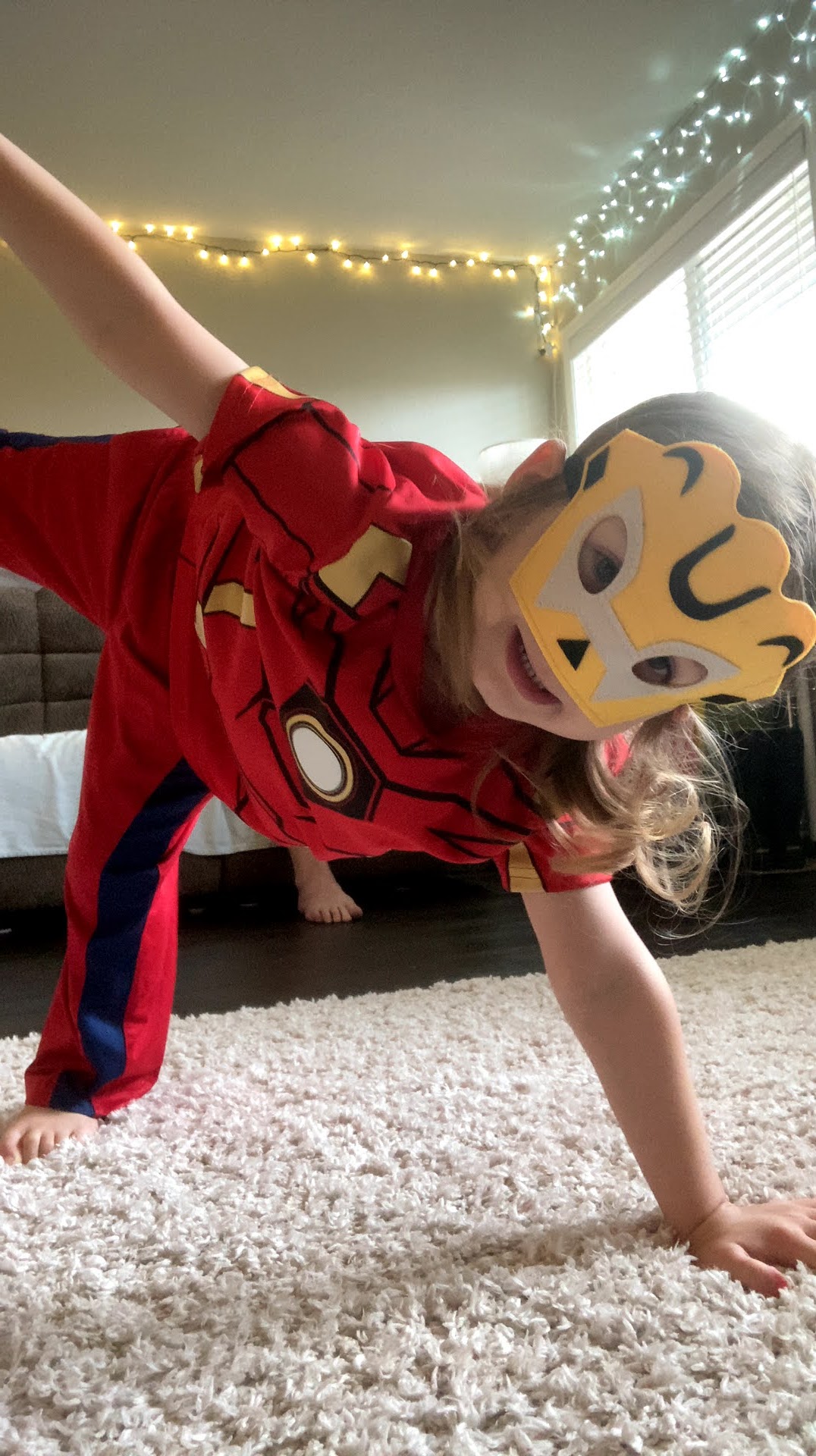
I loved seeing the excitement in his eyes when I’d learned the names of his Rescue Bot toys. He taught me about transformers, superheroes, construction equipment and more. The phone with my face on the screen became a stand-in for me. He placed “me” on the back of a toy racecar and squealed, “Hold on, Nonny!” Virtually, I zoomed around his home (seeing only the ceiling go by), went with him into hiding places, cuddled on the couch or simply sat on a shelf and watched while he transformed from vehicle mode to robot. I’ve even been allowed to accompany him in time out. In his room, under his bed or under a blanket tent, he shared with me his feelings (very self-aware), something I may not have gotten in person—especially when he was mad at the adults in his life. On the phone, far away, I became his safe buddy. In some ways, the intimacy that comes with remote communication changes the grandparent dynamic. Sometimes, I’m more playmate than disciplinarian. Yet, I can tell there are certain topics he shields from me that he tells his Mom. My status as grandparent is flexible. I initially tried to use the opportunity for educational flash cards and to play school and read books but typical boring grandma stuff wasn’t going to fly with the boy for long. He needed a playmate who understood his obsession with Bumble Bee the Transformer.

By the time he was five, he could spell and do complicated math. For a while, rather than FaceTime, we texted on his mother’s phone. He could put together complete sentences. He liked to surprise me by choosing the most popular intuitive word choice that popped up in the bar and see what sentences we could make. I responded by doing the same with my phone. In this way, I also learned about my daughter’s conversations with her friends, which was an interesting perk. He learned how to send me filtered pictures that looked like cartoons. I asked him how to do it and he texted me step by step directions how to use my iPhone to use emoji’s, photo filters and more. We started taking regular pictures around the house and then adding artistic drawings on them. For instance, a Santa Clause hat on a picture of my cat. Or, his drawing a white beard on his own face. His directions were superb, not like an impatient teenager who just whizzes through the steps for you without teaching anything. This kid is a natural born teacher.

The first time I masked up for a visit after vaccines, he kept reaching out to touch my face, “I can’t believe you’re really here!” he said.

He’s seven now, but still thousands of miles away. We still FaceTime. He calls almost daily. If even a few days go by without contact, I witness great strides in his intelligence and understanding. By virtue of his level of sophistication our games have become more elaborate.

He tells me he is “the director, the producer, the stage hand and one of the actors. Nonny, you are all the other actors,” he says with a laugh. And, director, he is. He has scripts in his head with elaborate costuming detail that we imagine. It is important to him that I have in my head exactly what he sees in his mind’s eye. The colors of a dragon, its eye color, wing span, special powers. The way his Werewolf character still has wolf ears and sometimes a tail when she is in human mode but also what color and how long her hair is and what she wears. Whether I am a black panther that can turn into a human or maybe a hyena or even a hamster, there is a script. If I ad-lib too much he cuts the scene, instructs me on his vision and then says “Action”.  We have named this game “Schizophrenic” because of all the personalities I have to take on. He snickers every time he tells me my next role. It’s part of his fun to shock me and more fun for him if I act shocked. I have been any number of animals, teachers, friends, transformers, mythical creatures. Whatever his imagination (or the latest video game, movie or television show) introduces, I become.

My favorite game is YouTube or Podcast. In the first, my boy demonstrates a skill he has learned and I am his audience. His introduction, ability to break down the steps, and his warnings what “not to try at home” are hilarious and spot on. In Podcast, he is the star of the show and I am the guest. We go back and forth with questions like an interview. With this game, even though we are playing characters, I learn how is day has been, the highlight of his week, who his new friend is, what he has been watching. It’s like a real conversation for me but because “talking is boring for kids” podcast makes it a game he will play.

“Google Black Princess Dragon,” he says. Or, “Look up images for the Tails character on the Sonic Movie”. I have done my research, let me tell you. This Nonny, in my own adult home with no children around may be caught watching “Sonic”, or “How to Train Your Dragon” or “Transformers”.  “Have you seen Spongebob?” he asks. “In this scene, your house looks like Sandy’s.”

In real life, I live in my family’s third generation farmhouse. I’ve found myself walking in my parents (and grandparents’) footsteps on many occasions. This year, my garden would make my father proud. Every time I can tomatoes or freeze corn I think of my mom. In some ways, I believed my grand-parenting days would be more traditional, more like theirs, more in person and hands on, passing on my love for the earth, gardening, flowers and nature walks. But children don’t stay near their birthplaces like they did in older generations. Loads of grandparents live long distances from their children and grandchildren. Though I think there is value in family groupings, these days, that way of life seems obsolete. Sometimes I lament that I don’t have the weekend sleepovers, the after school visits, but I do have some things other grandparents don’t. Our relationship is far from traditional but very special, even across the miles.

Adjusting my expectations, allowing my grandson’s natural understanding of technology to pull me along, maybe I’m not as obsolete as I feel. I resist technology on many fronts, but if it weren’t for FaceTime, I would be missing so much of his childhood. We would have figured this out sooner or later, but it seems the pandemic pushed us to learn how to keep in touch in this new way. A way that, to his generation, comes naturally. When swapping grandchild stories with my friends, though our hands on experiences are much different, our exhaustion levels are about the same. It’s hard work to be a panther who turns into a boy with a hyena for a brother, and school friends who are snakes, hamsters, dragons or werewolves, without eating one another! I don’t know many grandmothers who know this.

I have always been one to look for silver linings. There is a word spreading across social media for when you find a tiny piece of joy in the world. Glimmers. This boy, this brightly shining light, is one of my best glimmers.